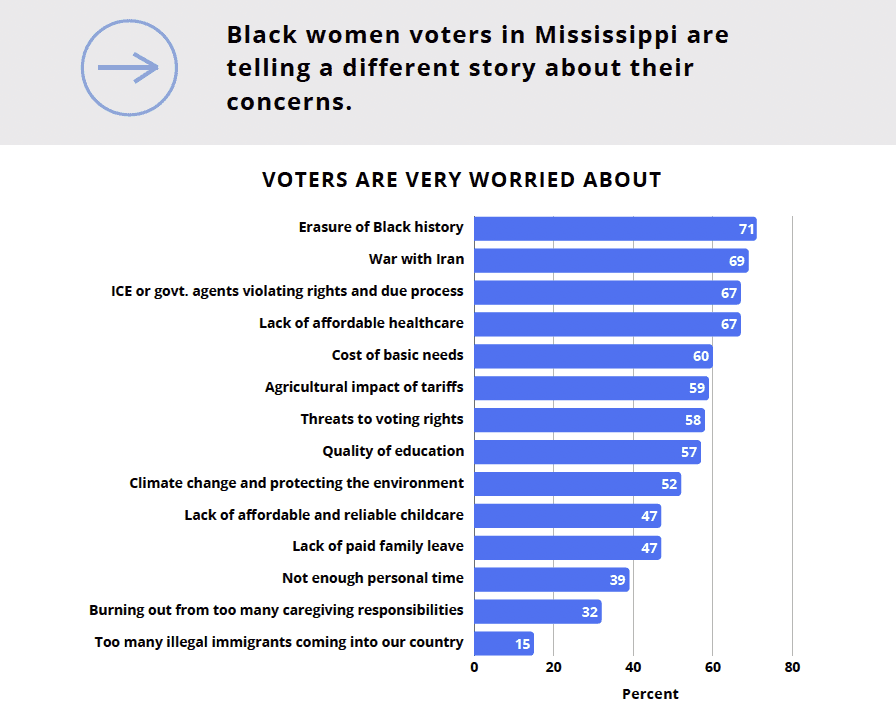
“Black women voters in Mississippi areoffering one of the clearest pictures ofwhere America is failing — and what itwould take to build something rooted in joyand dignity.“
This poll tells two stories at once: Black women in Mississippi have a vision of wholeness for the future, and they have a precise understanding of what is breaking that possibility now.
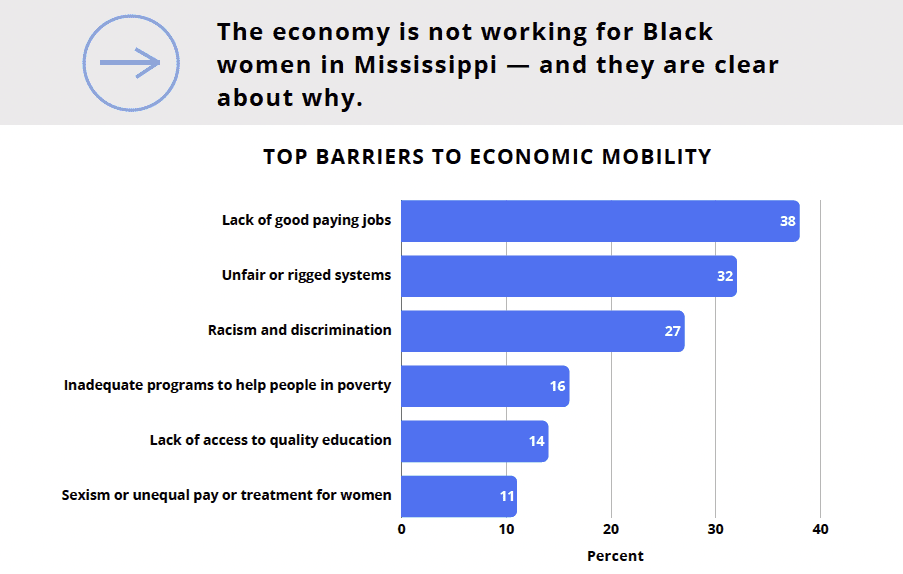
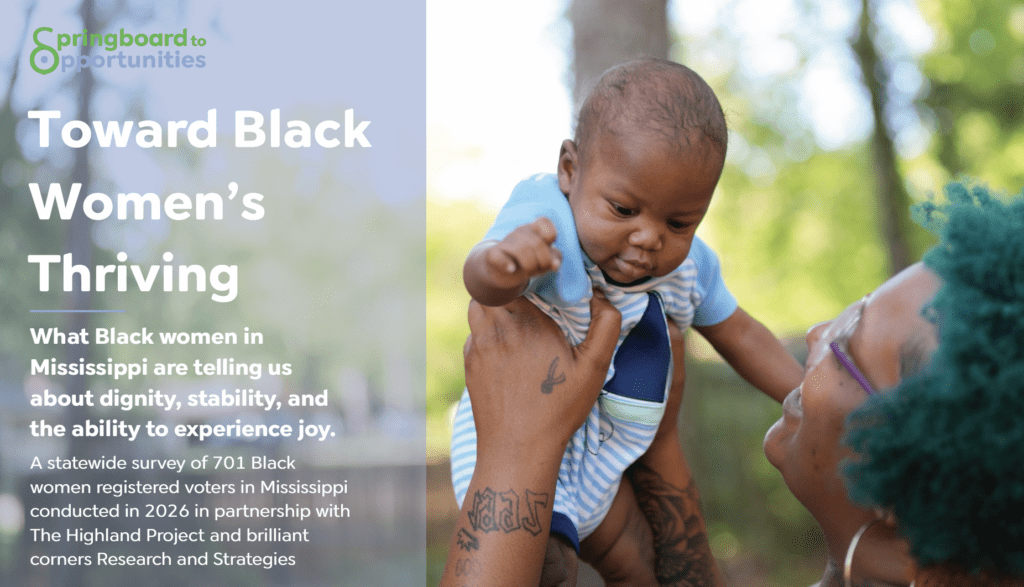
This poll is part of The Highland Project’s multi-year research effort with brilliant corners Research and Strategies to listen to Black women’s economic, civic, and well-being perspectives and translate that wisdom into a broader vision of multigenerational wealth and opportunity. Across years of national polling, Black women have consistently named that wealth is not only what people earn or own. It is whether families and communities have the conditions to live fully — with financial freedom, abundant choice, belonging, and thriving health. The Mississippi findings deepen that lesson. Black women in Mississippi are naming what wholeness requires and what is breaking it: economic strain, public systems that too often fail to meet people with dignity, and a civic landscape where participation should not be mistaken for satisfaction. Their responses remind us that civic life, economic life, family life, and wellbeing are deeply connected — and that systems cannot earn trust by treating them as separate.
Black Women in Mississippi Are Asking for Breathing Room
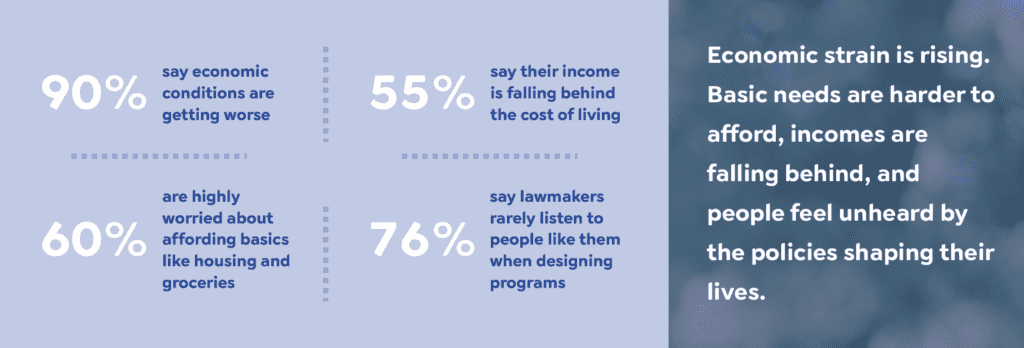
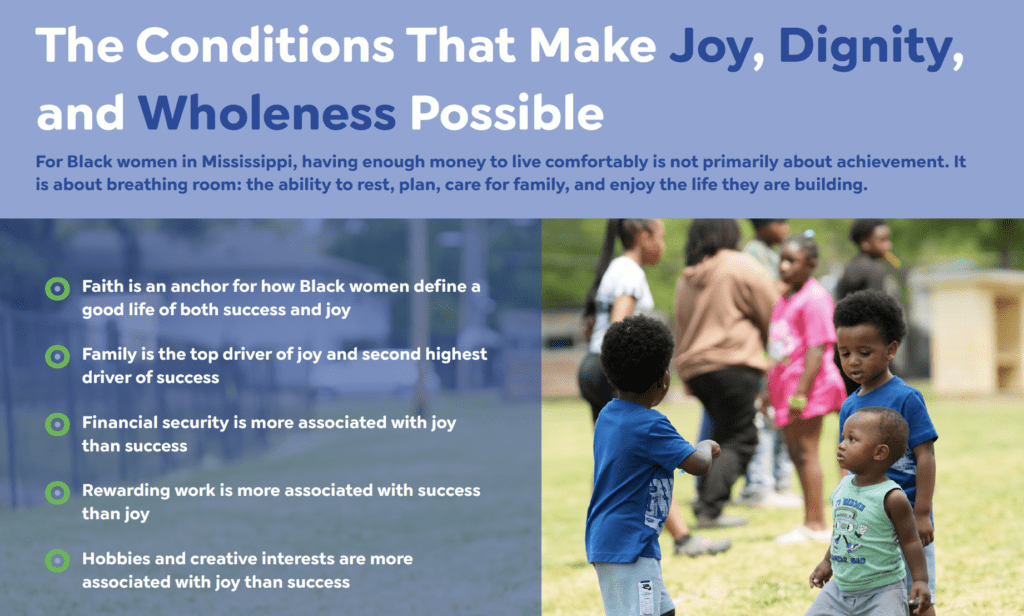
Black women across Mississippi are carrying extraordinary responsibilities while navigating systems that often leave them exhausted, stressed, and unseen. This statewide survey reveals a simple but urgent truth: families are not asking for excess. They are asking for stability, dignity, and the ability to experience joy. The findings show that joy is not separate from economic policy or financial well-being. For many Black women, joy is deeply connected to peace of mind, time for themselves, rest, and the ability to care for loved ones without constant financial strain. The research also challenges harmful narratives about poverty and assistance programs. Black women overwhelmingly describe financial hardship not as personal failure, but as the result of rising costs, inadequate wages, and systems that often make getting help feel humiliating and exhausting.