Last month, Springboard to Opportunities gathered at the Mississippi Museum of Art in Jackson for our Night of Storytelling — a community celebration we have made an annual tradition of.
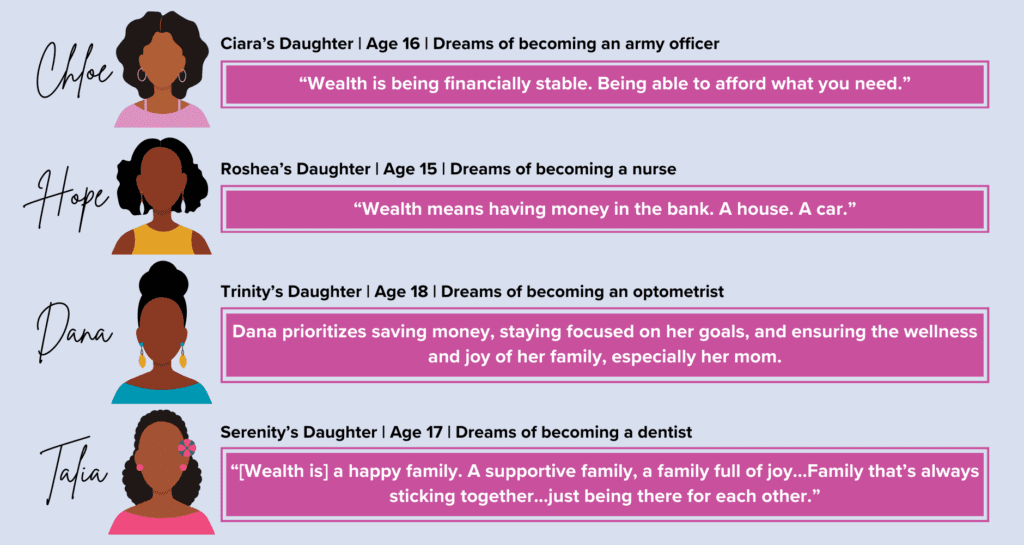
For the first time, we featured the kids of Magnolia Mother’s Trust recipients who showed a room full of adults how smart, powerful and deeply insightful they are.
We were especially grateful to have New York Times bestselling young adult author Jason Reynolds as a facilitator. He met the kids with respect and deep care, creating space for them to have a brilliant conversation about their experiences and big plans for the future.
At Springboard, we believe storytelling is a form of power; and that true change comes from centering people over pundits. Thank you to everyone who joined us in sharing the joy of working toward brighter days while celebrating the wins big and small, and above all — always being rooted in community.
Huge shoutout to our entire team for helping bringing this night to life with such care!
Watch our video recap from this event and listen closely for some highlights from each of our youth storytellers. John, Kentavius, and Tamya bravely showed up and spoke with confidence. We are so proud of each of them!
Written and Published by Mississippi Today 3/11/2026
SNAP work requirements stifle access to food for older caregivers and grandchildren, experts say. MS Today spoke to one of our moms, Carleen Hicks, on her experience as a caregiver for her two grandchildren and the time consuming struggle to apply for SNAP.
Hicks, who is 54 and a custodian at Chapel of the Cross Church in Madison, said she’s happily taken on that responsibility, but it can be hard to make ends meet. She previously relied on the Supplemental Nutrition Assistance Program, formerly known as food stamps, but the paperwork was confusing and time-consuming. In 2024, she felt she could no longer justify missing work to go to hours-long recertification appointments for the benefits, and fell off the program. As a result, she said, her family eats less fresh produce and meat.
Experts say that versions of Hicks’ story will become more common after newly-expanded federal work requirements took effect in November. Previously, adults over 54 and people who care for children under the age of 18 were exempt. Under the new rules, adults between the age of 55 and 64 and caretakers of children older than 13 must now work 80 hours a month to keep their food benefits. An already-burdened system will become more strained, according to state and national experts who spoke to Mississippi Today.
Work requirements and the red tape that comes with them could disproportionately hurt older caregivers and their families. That’s because older adults are more likely to have fixed incomes, limited access to computers, age-related health problems and care for older children who do not qualify them for the exemption. In Mississippi, 3.3% of children live in grandparent-caregiver households – more than double the national average and one of the highest rates in the country.
“For the past two summers, our organization has stepped in with our own summer cash program to fill the gap. We provided direct cash assistance to families, trusting them to make the best choices for their children.
The results speak for themselves: More than 85 percent of families reported no barriers to accessing enough food, and nearly as many said they were able to buy more protein, fresh fruit and vegetables than ever before.
We’ve shown that this model works. All it would take for Mississippi to extend that success statewide is a governor’s yes, a simple decision to opt into a federal program that would cost the state next to nothing in administrative funds. Yet again this year, Gov. Reeves declined, insisting that summer feeding sites and existing benefits are enough. Families have told us, loud and clear, that they are not.” – Sarah Stripp
When she is not caring for her 6-year-old daughter and 1-year-old son, Amaya Jones is working full time at Kroger. Jones wants to go back to school in January to study social work, so she can help young women like herself navigate complicated programs designed to help – but which often trap – poor people.
“I know what it’s like to be homeless, to apply for (food stamps) and be denied even though you need it, to be looked at as just a number – I know how it all feels,” Jones said. “I want to help mothers and kids and young women.”
Returning to school will only be possible if Jones regains vouchers she lost in June that made child care affordable, she said. Jones’ family is one of more than 19,000 Mississippi families who lost access to child care vouchers and is now on a growing waitlist after pandemic-era funding that boosted the program dried up, according to the Mississippi Department of Human Services.